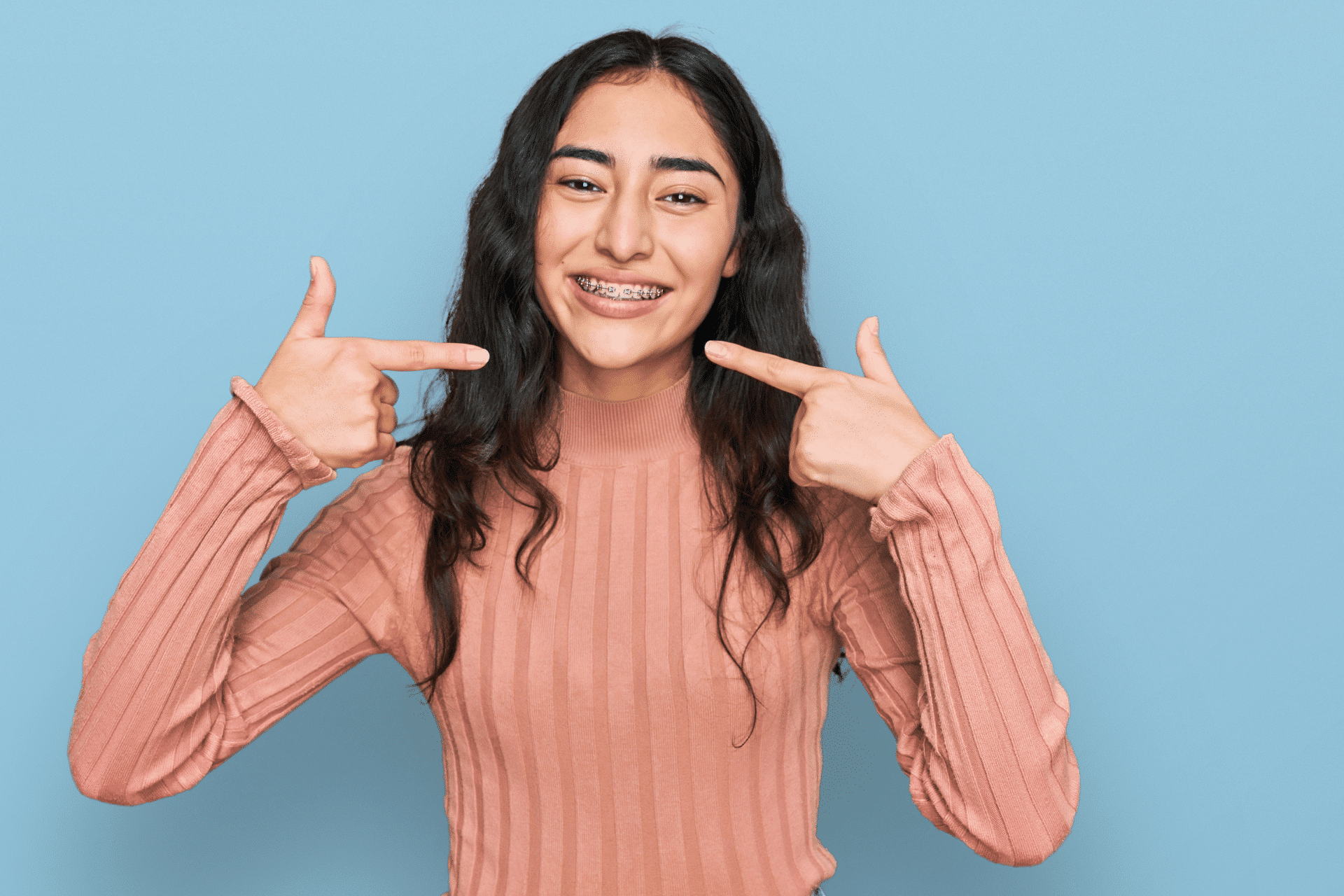

Early Orthodontic Treatment for Kids in Bellevue, WA
Reviewed by Dr. Barton Soper, Orthodontist
Early orthodontic treatment, also called Phase 1, is care that begins while a child still has some baby teeth, usually between ages 6 and 10. It guides jaw growth, makes room for incoming teeth, and can support healthy breathing. The American Association of Orthodontists recommends every child have a first orthodontic check by age 7. At Advanced Orthodontics Bellevue, that first visit is always free.
If you are looking for a kids orthodontist in Bellevue, the most important thing to know is this: an orthodontist and a pediatric dentist are not the same. A pediatric dentist cares for your child’s teeth and gums. An orthodontist is a specialist who focuses on how the teeth, jaws, and bite grow and fit together. At Advanced Orthodontics Bellevue, Dr. Barton Soper has spent more than 25 years guiding young smiles right here in the Bel-Red corridor. He watches how your child’s jaws are developing, steps in only when there is a real reason to, and gives you a clear, honest plan. Your child’s first visit is free, with no pressure to start treatment.
What Age Should a Child First See an Orthodontist?
The American Association of Orthodontists recommends that every child see an orthodontist by age 7. This is sometimes called the “rule of 7.” By this age, enough adult teeth have come in and enough jaw growth has happened for Dr. Soper to spot problems early, while they are still easy to guide.
Seeing an orthodontist at 7 does not mean your child will get braces at 7. In most cases, it simply means we keep a friendly eye on your child’s growth at no cost until the time is right. For a smaller group of children, a short, well-timed early treatment can prevent bigger problems later.
What Is Phase 1 (Early) Orthodontic Treatment?
Early treatment is also called Phase 1 because it happens while your child still has a mix of baby teeth and adult teeth. The goal is not to straighten every tooth. The goal is to fix the problems that are easier to correct while the jaws are still growing.
Phase 1 can:
- Guide the upper and lower jaws into a healthier position
- Widen a narrow upper jaw to make room for crowded teeth
- Correct a crossbite, an underbite, or a deep overbite
- Create space so adult teeth come in straighter
- Support nose breathing and better sleep by opening up the airway
- Reduce the need for longer or more complex treatment later
When the time comes, some children need a second round of treatment, called Phase 2, once all their adult teeth are in. Phase 1 makes that later phase shorter and simpler. Many children never need Phase 2 at all.
Signs Your Child May Need an Orthodontist
Some signs are easy to see, and some are easy to miss. It is worth a free visit if you notice any of these:
- Losing baby teeth very early or very late
- Crowded, blocked, or crooked front teeth
- A bite where the top and bottom teeth do not meet correctly
- Jaws that shift or make sounds when opening and closing
- Thumb sucking past age 5, or mouth breathing
- Snoring, restless sleep, or trouble focusing during the day
- Difficulty chewing or biting
Mouth breathing, snoring, and crowding can all point back to a narrow jaw or a small airway. This is where Dr. Soper’s focus on airway orthodontics sets our office apart. We look at how your child breathes and sleeps, not just how their teeth line up.
How Early Orthodontic Treatment Works at Our Bellevue Office
Every child is different, so every plan is different. Common early treatments include:
- Palatal expanders. A palate expander gently widens a narrow upper jaw to make room for teeth and support nasal breathing.
- Space maintainers. These hold space open when a baby tooth is lost too soon.
- Partial braces. A few braces can correct a specific problem without treating the whole mouth.
- Growth guidance appliances. These help steer how the upper and lower jaws grow in relation to each other.
- Habit appliances. These gently help a child stop thumb sucking or tongue thrusting.
Treatment is comfortable, and we explain every step to both you and your child in plain language. When early treatment is finished, we keep watching your child’s growth, free of charge, until any further care is needed.
How Early Is Too Early for Orthodontics?
There is no age that is too early for a first check, because the first visit is simply an exam. Starting actual treatment too early, though, is not helpful, and Dr. Soper will tell you honestly if your child is not ready. Many children are best served by waiting and watching. We would rather monitor your child for free than start treatment before it will do real good. That straight, no-pressure guidance is something Bellevue families count on us for.
Why Bellevue Families Choose Advanced Orthodontics for Their Kids
- A true orthodontic specialist. Dr. Soper completed years of advanced training focused only on tooth and jaw movement, beyond dental school.
- An airway-aware approach. We look at breathing, sleep, and jaw growth together, which few local offices do.
- Free monitoring. We watch your child’s growth at no cost until the right time, so you never pay to wait.
- Honest recommendations. If your child does not need treatment yet, we will say so.
- A welcoming, family-friendly office on NE Bel-Red Road, minutes from Highland Middle School and Crossroads.
Schedule Your Child’s Free First Visit in Bellevue
The best time to find out if your child needs an orthodontist is now, while their jaws are still growing. Advanced Orthodontics Bellevue is on NE Bel-Red Road, just minutes from Crossroads and Overlake with easy access from WA-520 and I-405. Call (425) 747-9494 or request your child’s free first visit online. We proudly serve families across Bellevue, Kirkland, Redmond, Sammamish, and Mercer Island.
FAQ
What age should my child first see an orthodontist?
By age 7, following the American Association of Orthodontists guideline. At this age we can spot jaw and bite problems early. For most children the first visit just begins free monitoring, not treatment.
Can a 7 year old get orthodontic treatment?
Yes, when there is a clear need, such as a crossbite, a very narrow jaw, or a severe bite problem. Most 7 year olds do not start treatment right away. We watch their growth and begin only when the timing gives the best result.
What is the rule of 7 in orthodontics?
The rule of 7 is the recommendation that children have their first orthodontic check by age 7. Enough adult teeth and jaw growth are present by then for an orthodontist to catch problems while they are still easy to guide.
How much does early (Phase 1) treatment cost?
It depends on what your child needs. A focused early treatment, such as an expander, generally costs less than full braces. We give you a clear written estimate at your free visit and offer flexible monthly payment plans. See our financing page.
Will my child still need braces later?
Sometimes. Early treatment fixes growth and spacing problems now, which often makes any later braces shorter and simpler. Some children never need a second phase. We will always tell you what to expect.